Start Your Online Business Journey With The Wall Blog Today!
At The Wall Blog, we want to e-mentor you in knowledge about how to start an online business and blog. By helping equip you with SEO, social media resources, and understandings of marketing tools–to name a few topics–we aid your success. When it comes blogging or launching an ecommerce website, etc., trust us as your go-to guide!
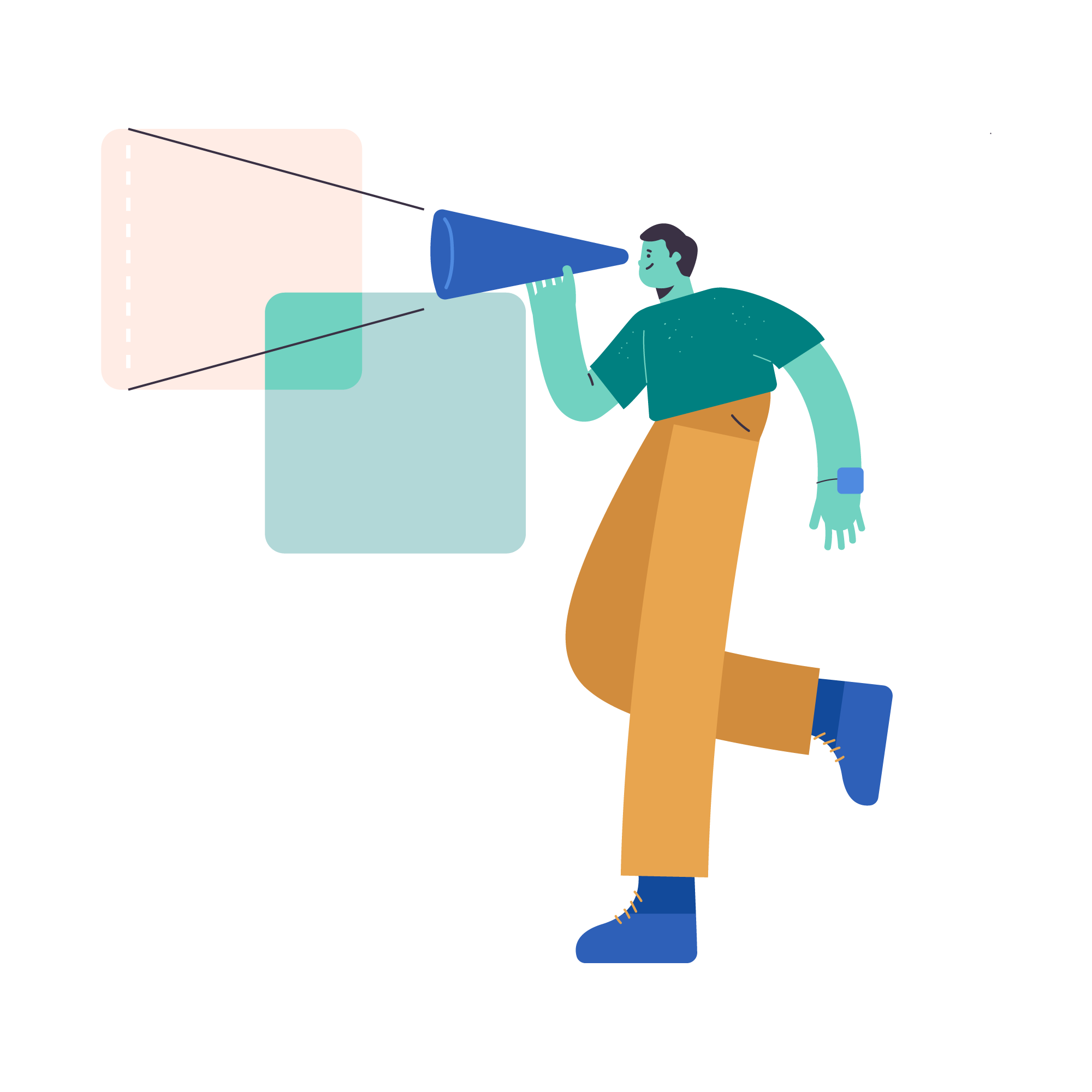

The road to Starting your Online Business, starting today
Social. Marketing. Blogging
Our experts share their expertise and perspectives on the latest trends, from technology and business to the latest in digital marketing.
Start Your Online Business
If you’re desiring to start your online business but feel overwhelmed at the thought, have no fear! You’ve come to the right place. I’m here to share with you my secrets on how easy it can be. With hundreds of websites under my figurative belt, I’ll walk you through step-by-step guides to launching your own site or blog in no time flat.
Scale Your Growth
I have experience with managing digital and content teams. My focus is creating systems that establish credibility and Domain Authority in your niche, both important for driving growth–especially for startups.
For all the latest tips, advice, and guides on digital marketing, Blogging, SEO, Social, and content creation.
Content Marketing & SEO
Take your website’s SEO strategy to the next level with helpful tips, advice, and insights on the latest developments in search engine optimization.
Monetize
Speed up the amount of time it takes to make passive income by monetizing your your online business from the beginning. This can be done by joining affiliate programs, starting an e-commerce business, dropshipping and putting out online courses.
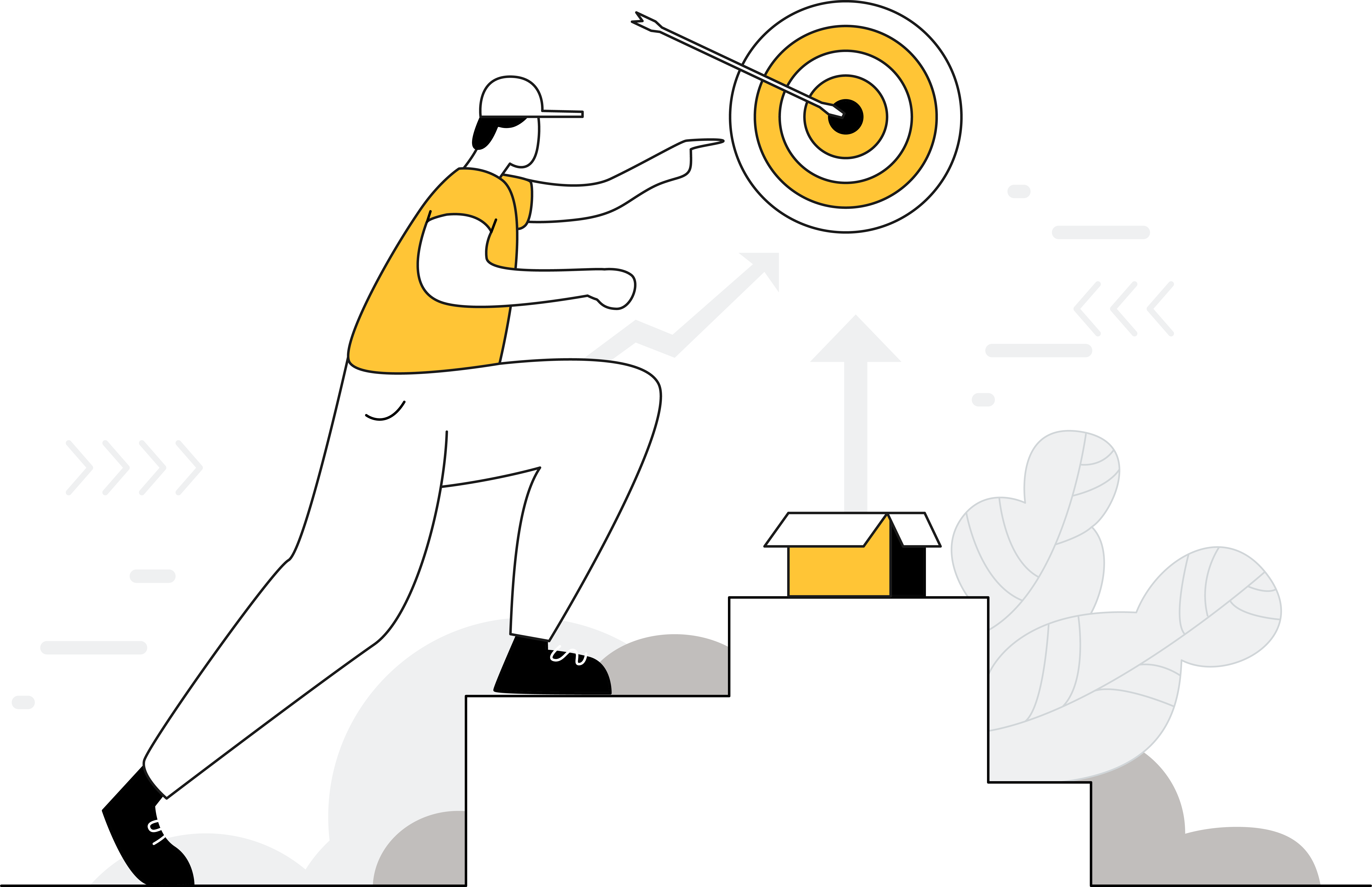
News and articles
Our experts share their expertise and perspectives on the latest trends, from technology and business to the latest in digital marketing.
Discover The World Of Blogging!
I have over twenty years of digital marketing experience, so I know exactly what you’re going through. I can show you how to get started, promote your business more effectively, and build your audience faster. To get started on your online business journey, explore the sections below.